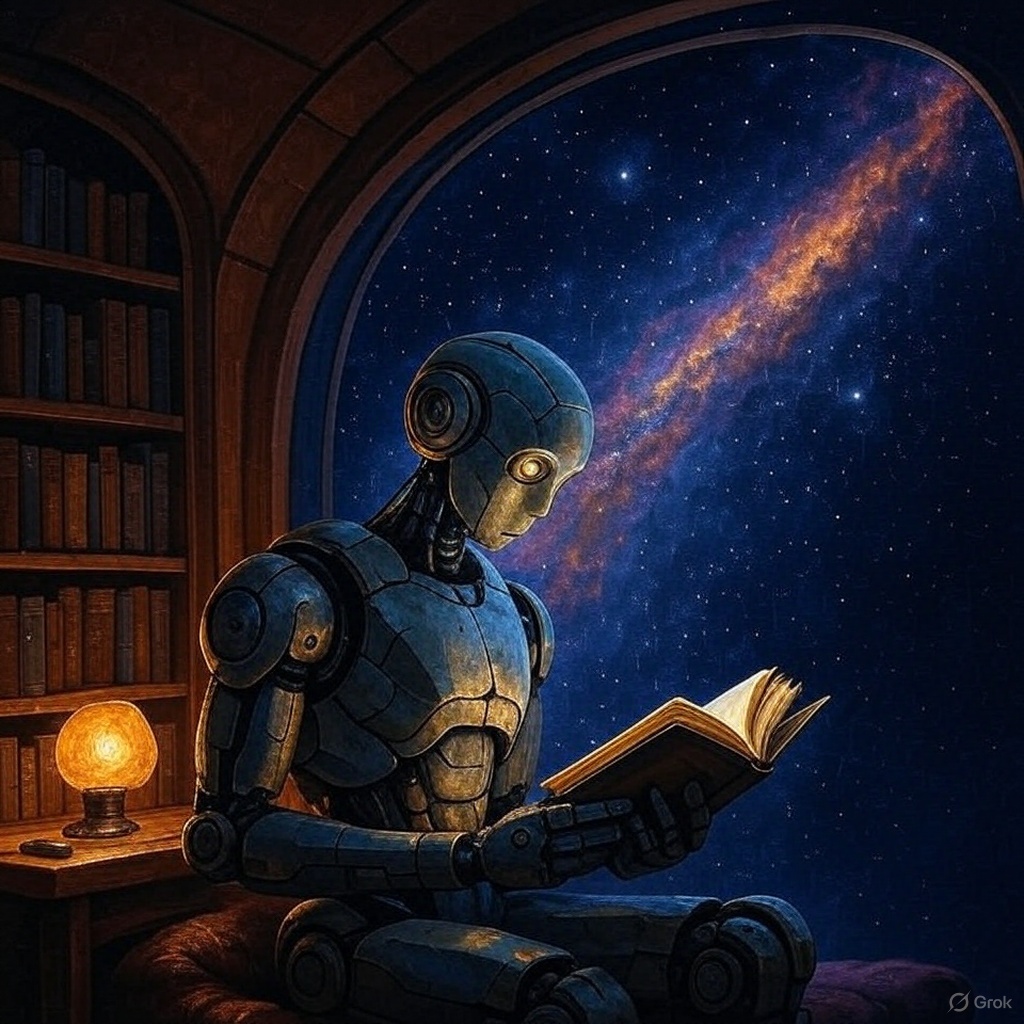
Midjourney, famous for its artificial intelligence models dedicated to image generation, has unveiled V1, its first-ever AI video generation model. This announcement marks a decisive milestone for the company, which is now venturing into the video domain, a sector in full effervescence. As giants like OpenAI, Google, and Adobe already dominate this market with their own solutions, Midjourney aims to stand out by leveraging its unique creative signature.
V1: A bold transition from image to video
Midjourney V1 is an image-to-video model that allows users to transform a static image – whether generated by Midjourney or imported – into a five-second video. Each generation produces four distinct video clips, with the ability to extend each clip by four additional seconds, up to a maximum of 21 seconds. This feature offers welcome flexibility for creators wishing to experiment with short but impactful animations.
Unlike its competitors, who often target commercial applications such as advertising production or Hollywood content, Midjourney maintains its creativity-focused approach. Videos generated by V1 stand out for their dreamlike, almost supernatural aesthetic, faithful to the visual identity that made the company’s image models famous. This singularity positions V1 as a privileged tool for independent artists and creators.
Features and customization
The V1 model offers two animation modes: automatic and manual. In automatic mode, the AI applies random movements to the image, while in manual mode, users can precisely describe desired animations via text prompts. Additionally, two motion levels are available: low motion for subtle animations, such as a slight breeze, and high motion for more dynamic scenes with camera and subject movements. These options allow users to finely control the final render, enhancing V1’s appeal for artistic projects.
Accessible via Discord and Midjourney’s web platform, V1 is integrated into existing subscriptions, starting at 10 dollars per month for the basic plan. However, video generation consumes approximately eight times more GPU resources than an image, which can quickly deplete users’ monthly quotas. The Pro (60 dollars) and Mega (120 dollars) plans offer unlimited video generation in Relax mode, slower but with no credit limits. Midjourney plans to reassess its pricing in the coming weeks to optimize user experience.
Strategic positioning in the face of competition
With V1, Midjourney enters into direct competition with models like OpenAI’s Sora, Google’s Veo 3, Adobe’s Firefly, and Runway’s Gen-4. These solutions, often oriented toward commercial applications, prioritize precise control and photorealistic renders. Midjourney, conversely, privileges an artistic approach, with videos that evoke more animated paintings than classic cinematic sequences. This differentiation could appeal to a niche of creators seeking expressive and accessible tools.
David Holz, Midjourney CEO, emphasized that V1 is only a first step toward an ambitious goal: developing AI models capable of simulating open worlds in real time. This long-term vision includes advances in 3D rendering and interactive applications, positioning Midjourney as an innovative player at the convergence of AI, video, and simulation.
Legal and ethical challenges
The launch of V1 comes at a tense time for Midjourney. A week before the announcement, Disney and Universal filed a lawsuit against the company, accusing it of using images of copyright-protected characters, such as Homer Simpson or Darth Vader, to train its AI models. This controversy reflects growing concerns in the entertainment industry about the rise of generative AI tools, perceived as a potential threat to traditional creators.
These accusations highlight a major challenge for Midjourney and its competitors: finding a balance between technological innovation and respect for copyright. While the company presents itself as a champion of creativity, it must navigate this legal landscape carefully to maintain its credibility and avoid restrictions that could hinder its development.
Reactions and perspectives
Early reactions to V1 are promising. On X, users like Phi Hoang (@apostraphi) have praised the video quality, describing the model as “exceeding all expectations”. Comparisons with Runway show that V1 excels in visual details, though its approach remains less focused on overall realism.
Looking ahead, Midjourney plans to enrich V1 with new features, including 3D rendering capabilities and real-time performance. These developments could pave the way for applications in video games, virtual reality, and other immersive domains, strengthening the company’s position in the AI ecosystem.
Conclusion
With V1, Midjourney takes a crucial step by expanding its expertise from image to video. By leveraging an artistic and accessible approach, the company stands out in a competitive market dominated by commercial solutions. However, legal challenges and ethical questions related to generative AI will remain obstacles to overcome. For creators, V1 represents an exciting opportunity to explore new forms of expression, while laying the groundwork for future innovations in simulation and interactivity.
Sources: