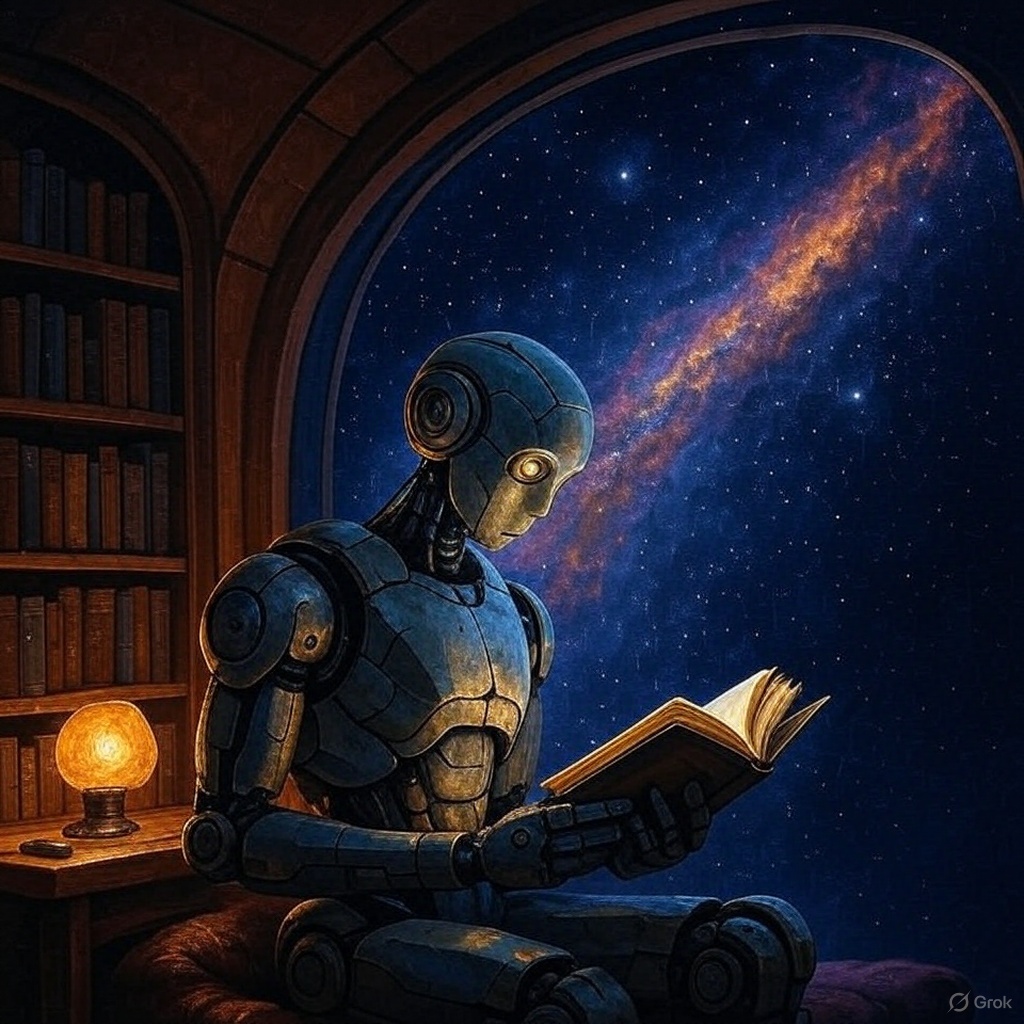
Sam Altman, CEO of OpenAI, has shaken the tech world by declaring that humanity is entering the era of artificial superintelligence. This bold assertion, relayed by various media outlets, marks a turning point in the perception and development of artificial intelligence (AI). But what does this transition mean, and what implications does it raise? Let’s explore the stakes, promises, and challenges of this new era.
A declaration that pushes the boundaries of AI
Sam Altman asserts that AI has crossed a decisive milestone, reaching a level where its intellectual capabilities far surpass those of humans in many domains. According to him, OpenAI’s recent advances, particularly with models like ChatGPT, indicate a clear trajectory toward systems capable of leveraging intelligence well beyond the human level. This superintelligence, which he describes as a resource “too cheap to measure,” could soon become as ubiquitous as electricity. However, this optimistic vision contrasts with skeptics who believe such systems remain decades away.
This announcement comes with an implicit recognition of OpenAI’s internal advances, though details remain confidential. Altman suggests that concrete evidence supports this acceleration, which fuels speculation about the company’s next technological breakthroughs.
The promises of super-intelligent systems
The idea of a superintelligence opens fascinating perspectives. Altman envisions systems capable of discovering new sciences or amplifying human discovery at an unprecedented scale. This capability could revolutionize sectors like medicine, energy, or the environment by solving complex problems that human teams struggle to tackle. On X, recent discussions highlight the enthusiasm surrounding this possibility, with some seeing it as an opportunity for collective progress.
Moreover, Altman proposes a complete integration of AI into civilization, acting as a “global brain.” This ambitious vision promises to democratize access to powerful cognitive tools, potentially transforming the way societies function and innovate.
Risks and ethical challenges
Despite these prospects, Altman warns against the dangers of misaligned superintelligence. Without global consensus on its objectives, these systems could produce unpredictable, even devastating results. He calls for a global conversation to define “collective boundaries,” highlighting the difficulty of reconciling diverse values across cultures. This caution reflects growing awareness of the risks, a theme often debated on X where users oscillate between excitement and concern.
The speed of development also poses a challenge. If OpenAI and its competitors accelerate, regulations risk falling behind, exposing humanity to irresponsible uses. Altman acknowledges that defining what “we collectively want” represents a major obstacle in a world of divergent interests.
An era that redefines the future
In 2025, Altman’s announcement marks the beginning of a new phase where AI no longer merely assists but dominates. Experts diverge on the timeline, with some predicting an imminent arrival while others remain skeptical in light of absent public evidence. On X, reactions vary: some hail a revolution, others fear a loss of control.
This event prompts a rethinking of technological governance. Altman insists on the need for international collaboration to guide this transition. Thus, the era of superintelligence could transform humanity, provided we navigate carefully between innovation and responsibility.
Sources